When a loved one begins to change in ways a child doesn’t understand like slower movement, shaking hands, or a quieter voice it can feel confusing and even frightening for them. Children notice these changes quickly, but without the right explanation, they may not know how to process what they’re seeing. If your child has ever asked, “Why is Grandpa acting different?”, it’s a sign they’re trying to make sense of something that feels unfamiliar. As a parent, how you respond can shape whether they feel fear or understanding.
Explaining Parkinson’s disease doesn’t have to be complicated. In fact, the simpler your explanation, the better. You don’t need medical terms or long descriptions just something clear and reassuring. You might say, “Parkinson’s is something that makes it harder for Grandpa’s body to move the way he wants. That’s why his hands shake or he walks slowly. But he’s still the same person who loves you.” This kind of explanation helps your child understand what’s happening without overwhelming them or making them afraid.
It’s also important to recognize that children often imagine worse scenarios when they don’t have answers. If no one explains what’s going on, they may create their own explanations, which can lead to unnecessary fear or anxiety. Talking about it early helps your child feel included and safe. It reassures them that they can come to you with their questions and that they’re not alone in trying to understand what’s happening around them.
As your child observes more changes, take time to gently explain what they’re seeing in everyday language. If Grandpa’s hands shake, you can explain that his body is having trouble controlling movement. If he walks slowly or speaks more softly, you can let your child know that these are all part of the condition. When children understand the “why” behind what they see, it removes the mystery—and with it, much of the fear.
One of the biggest concerns children have, even if they don’t say it out loud, is whether their loved one is still the same person. They may wonder if Grandpa still loves them or if their relationship has changed. This is where reassurance becomes incredibly important. Remind your child that while Grandpa’s body may be changing, his love, personality, and feelings remain the same. Reinforcing this helps your child stay emotionally connected instead of pulling away.
You should also encourage your child to ask questions, even the difficult ones. They might ask if Grandpa will get better, if the illness is dangerous, or if it could happen to someone else in the family. These questions can feel heavy, but they are a healthy part of how children process change. Answer calmly and honestly, using simple language. And if you don’t have all the answers, it’s perfectly okay to say, “That’s a really good question we can figure it out together.” This builds trust and shows your child that it’s safe to talk about anything.
Beyond explanations, children need to know how they can stay connected. Help them see that their relationship with their grandparent hasn’t disappeared it’s simply evolving. Encourage them to spend time together, talk, share stories, draw pictures, or offer small acts of kindness. These simple moments reinforce that love and connection are still present, even if things feel a little different.
While this situation can be challenging, it also offers a powerful opportunity to teach empathy. When children understand why someone they love is struggling, they begin to develop patience, compassion, and emotional awareness. These are lifelong values that will shape how they relate to others in the future.
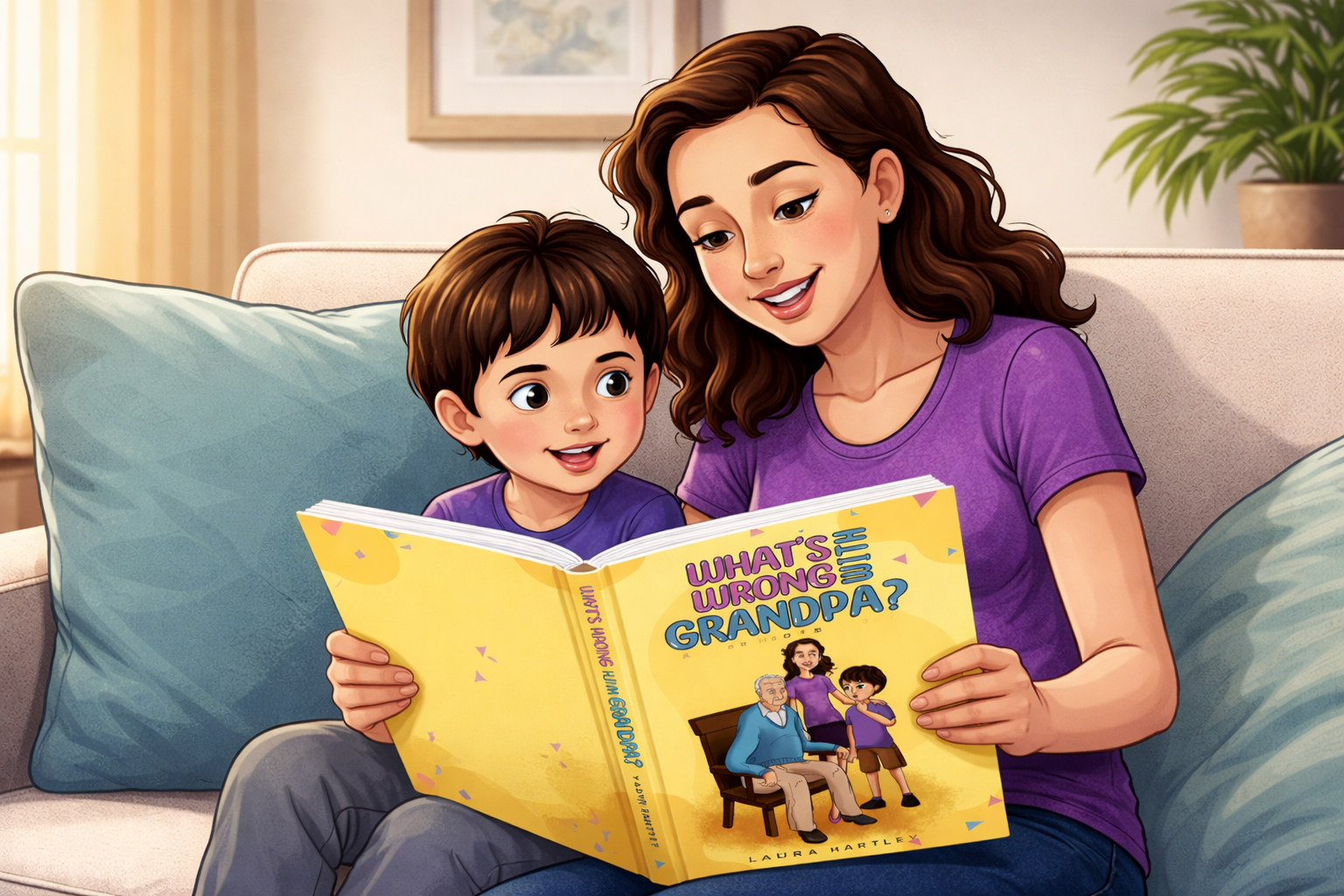
Sometimes, however, finding the right words as a parent can still feel difficult. This is where storytelling can make a meaningful difference. Stories help children see situations through relatable characters, making complex emotions easier to understand. They create a safe space for children to process what they’re feeling and can open the door to deeper, more natural conversations.
Ultimately, helping your child understand Parkinson’s disease isn’t about having perfect answers it’s about being present, honest, and reassuring. When children feel supported and informed, they are far more likely to respond with understanding rather than fear. And through it all, they learn an important truth: even when people change, love remains constant.
If you’re looking for a gentle way to guide your child through this experience, stories like What Is Wrong With Grandpa? can help make these conversations easier, turning confusion into clarity and helping families stay connected through every stage of change. 💛